용서하는 것은 이해하는 것이다.To forgive is to understand.
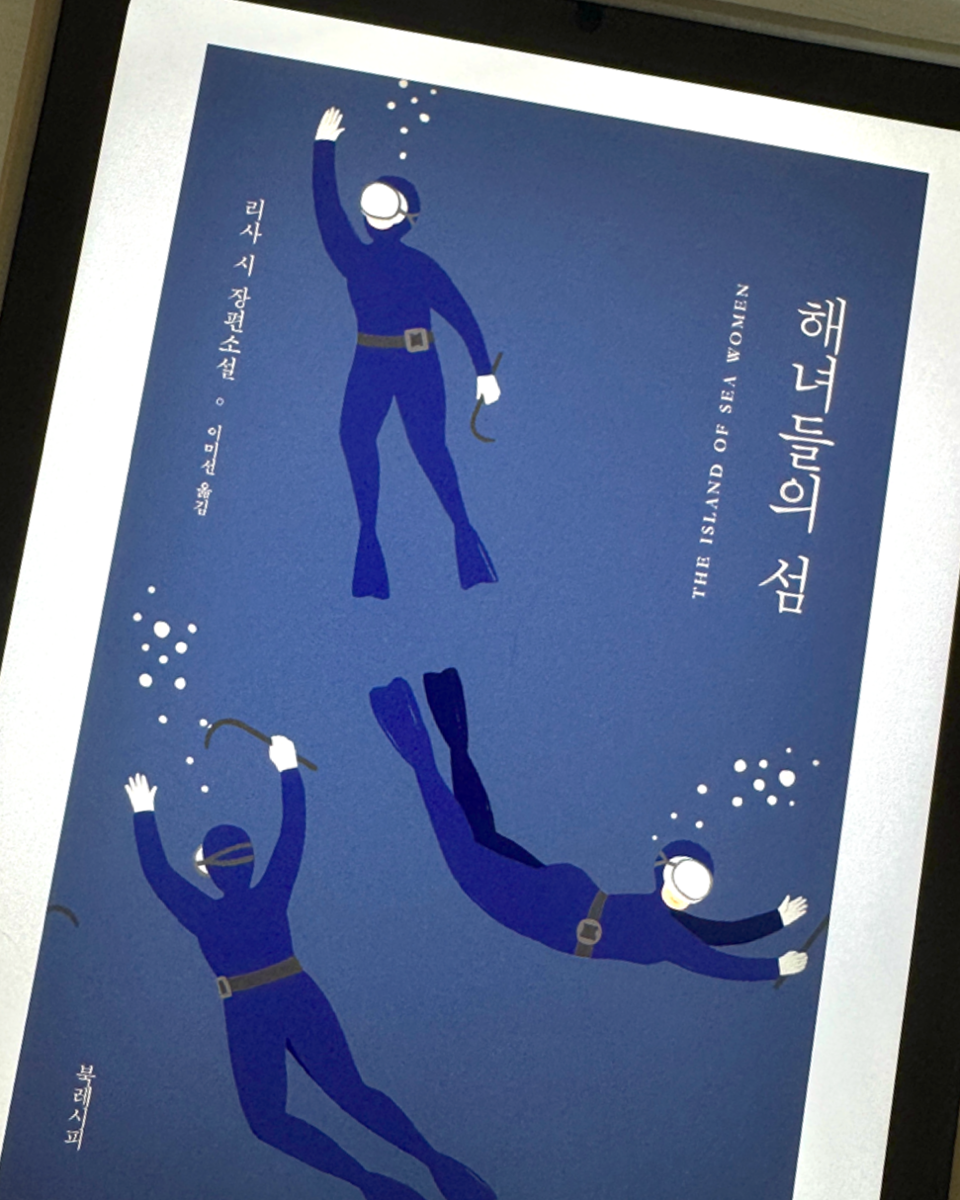
《해녀들의 섬》 · 리사 시The Island of Sea Women · Lisa See
예전의 친일협력자들을 처벌하고 싶어 하는 사람은 누구나 빨갱이로 낙인찍히고 있다는 얘기지.It means anyone who wants the former collaborators with Japan punished is being branded a commie.
제주에 오면 4·3을 읽는다.When I come to Jeju, I read about April 3.
제주에 오면 4·3사건에 관련된 책을 읽는다. 밀리의 서재에 '제주'나 '4·3'으로 검색해서 읽든가 '순이 삼촌'처럼 유명한 책을 찾아 읽는다. 제주도 토박이 실비아님에게 이 책을 추천받아서 읽기 전까지 이 책의 존재를 몰랐다. 엄밀하게 말하자면 이 책은 그 시대를 지냈던 제주도 해녀의 삶을 담은 이야기다.When I come to Jeju, I read books related to the April 3 Incident. I either search Millie’s Library for “Jeju” or “April 3,” or seek out a famous book like Uncle Suni. I didn’t even know this book existed until Sylvia, a Jeju native, recommended it to me. Strictly speaking, this is a story about the life of a Jeju haenyeo who lived through that era.
해녀의 삶The Life of a Haenyeo
책 제목에서부터 알 수 있듯이 해녀의 삶을 잘 그려낸 책이다. 숨비소리, 구덕, 불턱 등등 몰랐던 새로운 용어를 알게 되었다. 해녀는 일본식 표현이라는 것, 한 때 한 가구당 한 명만 해녀가 될 수 있는 법이 있었다는 것, 지구상의 어떤 사람들보다 체온 저하를 잘 견뎌낼 수 있는 집단이라는 것 등등 새로운 사실도 알았다. 해녀가 전세계의 이목을 받고 과학자들이 연구한다는 뉴스 기사는 몇 년 전부터 몇 번 접했던 거 같다. 자세히 알지는 못했다. 이 책을 통해서 그들의 삶과 해녀로서의 자긍심까지 느낄 수 있었다.As you can tell from the title, this book portrays the lives of haenyeo well. I learned new terms I hadn’t known before—sumbisori, gudeok, bulteok, and so on. I also learned new facts: that haenyeo is a Japanese-style term, that at one point there was a law allowing only one woman per household to become a haenyeo, and that they are a group able to endure drops in body temperature better than anyone else on earth, among other things. For the past few years, I think I’d come across several news stories about haenyeo drawing worldwide attention and being studied by scientists. I didn’t know the details. Through this book, I could feel their way of life and even their pride in being haenyeo.
잊어서는 안 될 동족상잔의 비극A Tragedy of People Killing Their Own That Must Not Be Forgotten
실제 제주 슬픔을 다룬 책들은 끔찍했던 현실을 배경으로 하기 때문에 읽기 거북한 부분이 많다. 이 책은 읽으면서 그런 부분이 생각보다 없어서 다행이다 싶었다.
하지만 아니나 다를까 가족이 살해당하는 부분은 읽기 쉽지 않았다.
실제 북촌 학살을 배경으로 한 내용인데, 현실은 더 했으리라.
✦ 책 속 문장FROM THE BOOK 남편의 머리가 바위로 깨뜨려진 수박처럼 박살이 났다.
✦ 책 속 문장FROM THE BOOK 그 남자는 바다에 그물을 던지려는 것처럼 아들을 휙 돌렸다.
✦ 책 속 문장FROM THE BOOK 군인은 이미 죽은 것이 분명한 아이를 들어 올려서 똑같은 행동을 세 번 더 반복했다.
✦ 책 속 문장FROM THE BOOK 유리는 그딜이 그녀의 가슴을 도려낼 때는 비명을 질렀다.
Books dealing with Jeju’s real sorrow are set against a horrific reality, so they often contain many parts that are hard to stomach. While reading this book, I was relieved that it had fewer of those parts than I expected.
But sure enough, the scene where the family is murdered was not easy to read.
It is based on the real Bukchon massacre, and reality must have been even worse.
✦ 책 속 문장FROM THE BOOK My husband’s head burst apart like a watermelon smashed against a rock.
✦ 책 속 문장FROM THE BOOK The man swung the boy around as if he were about to cast a net into the sea.
✦ 책 속 문장FROM THE BOOK The soldier lifted the child, who was clearly already dead, and repeated the same act three more times.
✦ 책 속 문장FROM THE BOOK Yuri screamed when they carved out her breast.
중국계 미국인 작가A Chinese American Author
미국 작가가 그린 한국의 모습이기에 어색한 부분이 어쩔 수 없이 있다.
영숙은 그 당시 제주 해녀이자 부모이다가도 중간중간 미국닝의 모습이 묻어나왔다.
현재를 살아가는 한국인인 나는 책을 읽으면서도 이것이 정말 이 시절 제주의 문화였을지 작가 삶의 뒷배경이 투영이 된 것일지 계속 의심해가며 읽을 수밖에 없었다.
✦ 책 속 문장FROM THE BOOK 경수가 곧 결혼할 것이라는 말을 전해왔을 때 나는 여기서 혼례식을 올릴 거라고 생각했다. 그러나 집에 왔을 때, 경수는 이미 육지 여자와 결혼한 상태였다.
Since this is Korea portrayed by an American author, some awkwardness is unavoidable.
Young-sook would be a Jeju haenyeo and parent of that era, and then traces of an American would show through here and there.
As a Korean living in the present day, I couldn’t help reading with constant doubts about whether this really was Jeju culture at the time or whether the author’s own background was being projected onto it.
✦ 책 속 문장FROM THE BOOK When Kyung-soo sent word that he would soon marry, I thought the wedding would take place here. But when he came home, he was already married to a woman from the mainland.
새로운 시선에서의 우리 역사Our History Seen Through Fresh Eyes
하지만 미국인 작가로서의 새로운 시선도 볼 수 있다.
내가 읽었던 그동안의 (비슷한 내용을 다루는) 책에서보다 상대적으로 더 많은 미국에 대한 비판이 들어가있다. (혹은 내가 미국인 작가라는 것을 인지하며 읽었기 때문에 더 그렇게 느꼈을지도 모른다.)
4·3사건은 아직도 정식적인 이름을 갖지 못하고 '사건'이라고만 불린다. 아직까지 이어지는 (역사는 끝맺음이 없다) 정치적 논쟁으로 인하여 제대로된 명명조차 못받고 있다.
이런 점에서 외부(미국인) 작가로서의 시선이 편한하게 느껴진달까.
✦ 책 속 문장FROM THE BOOK 너는 우리 시아버지 같은 친일협력자들이 처벌받을 것이라고 생각하겠지. 그런데 오히려 일자리를 얻으셨어. … 미군의 병참업무를 돕도록 미국 임시정부에 취직하셨어.
✦ 책 속 문장FROM THE BOOK "그렇지만 그 사람들 모두가 예전의 친일협력자들이야!" … 미국인들은 자신들이 무엇을 물려받았는지 이해하지 못하는 것 같았다.
✦ 책 속 문장FROM THE BOOK 미국인들은 이 잔혹한 행동에 적극적으로 가담하지는 않았지만, 그렇다고 그것을 막으려는 행동도 전혀 취하지 않았다.
그런 점들 때문에 그 시대를 살아온 한국작가의 책을 읽을 때와는 다르게 읽혔다. 특히나 박완서 작가의 책을 읽을때나 순이 삼촌을 읽을 때는 실제 일기장 같이 읽혔고(이들의 책은 그렇게 읽히는게 당연하기는 하지만), 이 책은 소설이라는 느낌이 더 강했기 때문에 (99할은 번역투 때문이라고 생각한다.) 읽으면서 실제 사건과 만나는 장면에서는 오히려 더 감명깊게 와 닿는 효과도 있었다.
✦ 책 속 문장FROM THE BOOK 아이의 어머니가 아이를 잡으려는 순간, 아이가 몸을 돌려 말 탄 경찰이 오는 쪽으로 곧장 뛰어갔다. 기수가 고삐를 확 잡아당기자 말이 몸을 들어 올렸다. 아이 어머니가 "조심해!"라고 소리쳤다. 아이가 넘어졌고, 말굽이 내려와 요란한 소리를 내며 땅바닥을 쳤다.
But we also get a fresh perspective from an American author.
Compared with the books I’d read before (dealing with similar subject matter), this one contains relatively more criticism of the United States. (Or maybe it only felt that way because I was reading with the awareness that the author was American.)
The April 3 Incident still has no official name and is called only an “incident.” Because of the political controversy that continues to this day (history never really ends), it has not even been properly named.
In that sense, perhaps the perspective of an outsider (an American) felt more comfortable.
✦ 책 속 문장FROM THE BOOK You probably think collaborators with Japan like my father-in-law would be punished. But instead, he got a job. … He was hired by the American military government to help with U.S. military logistics.
✦ 책 속 문장FROM THE BOOK “But all those people were former collaborators with Japan!” … The Americans did not seem to understand what they had inherited.
✦ 책 속 문장FROM THE BOOK The Americans did not actively take part in these brutal acts, but neither did they take any action whatsoever to stop them.
Because of those things, it read differently from books by Korean writers who had lived through that era. Especially when I read Park Wan-suh’s books or Uncle Suni, they felt like actual diaries (though of course it makes sense that their books would read that way), while this book felt much more like a novel (I think 99% of that was because of the translationese). So when I encountered scenes involving real events, they actually hit me even more deeply.
✦ 책 속 문장FROM THE BOOK Just as the child’s mother reached for him, he turned and ran straight toward an approaching mounted policeman. The rider jerked hard on the reins, and the horse reared. The child’s mother shouted, “Watch out!” The child fell, and the hooves came down, striking the ground with a thunderous sound.
이 책은 번역이 흠이다.The Translation Is This Book’s Flaw.
번역이 매우 아쉽다. 제주 사투리를 살려서 번역했으면 어땠을까 싶다. 이런 점에서 한강 작가의 작별하지 않는다와 비교가 될 수밖에 없었다. 위는 단순히 아쉬운 점이었다면 읽을 수록 화도 났다. 말투라도 자연스럽게 하지.. 나중에 다시 읽고 싶어도 말투때문에 불가능할 듯하다. 다른 번역가와 출판사에서 새 번역본이 나오길 희망한다. 읽으면서 외국인이 번역한 건가? 한국인 검수가 없었나? 생각되는 문장이나 단어 선택이 많았다. 대표적으로 ‘제물’이라는 단어가 반복되는데, 한국인이라면 “제물을 바치다” 보다는 “제사를 지낸다.”는 표현이 자연스럽다. “가을에 열두 살이 되는 준리는” 이라는 문장도 “가을이면 열두 번째 생일을 맞는 준리는”이런 식이 차라리 더 나을 거 같은데.. 번역이 너무 아쉬워서 원작을 읽는 사람들이 행운이라는 생각이 들었다. 가장 화나는 건 동해를 일본해라고 표현했다는 것. 이것만 아니었어도 혼자 불만을 가지고 말았을 텐데 이거 때문에 이 책에 실망감이 들었다. 도대체 무슨 생각이었을까? 번역가부터 검수자, 편집자까지 그냥 넘어갔다고? 이유가 있는걸까? 이해가 안 간다.The translation is extremely disappointing. I wondered what it might have been like if they had brought the Jeju dialect to life in the translation. In that respect, I couldn’t help comparing it with Han Kang’s We Do Not Part. If that was merely disappointing, I grew angry the more I read. Couldn’t they at least have made the speech sound natural... Even if I want to reread it someday, I don’t think I’ll be able to because of the way everyone talks. I hope a new translation comes out from a different translator and publisher. As I read, there were many sentences and word choices that made me wonder: Was this translated by a foreigner? Was there no Korean reviewer? One representative example is the repeated use of the word “sacrifice.” To a Korean, “perform ancestral rites” sounds more natural than “offer a sacrifice.” There is also a sentence like “Jun-ri, who would become twelve in the fall.” Even something like “Jun-ri, who would celebrate his twelfth birthday come fall” seems like it would be better... The translation was so disappointing that I found myself thinking how lucky the people reading the original were. What angered me most was that the East Sea was called the Sea of Japan. If it hadn’t been for that, I would have just kept my complaints to myself, but this made me feel disappointed in the book itself. What on earth were they thinking? The translator, reviewer, and editor all just let it pass? Was there some reason? I don’t understand.
아직까지 이어지고 있는 끝나지 않은 이야기An Unfinished Story That Continues to This Day
읽는 기간에 광복절이 끼어있었다. 어느 한 매국노 집안의 연예인이 부끄러움 없이 집안 내력을 이야기 했나보다. 얼마나 이슈가 되었는지는 모르겠지만 뉴스 헤드라인에 몇 번 이름이 오르내리는 것을 보았다. 당시 친일파 청산이 제대로 되지 않아서 오늘날까지도 논란과 갈등이 이어지고 있다. 책에서도 이점을 비판적으로 잘 다루고 있다.Liberation Day fell during the time I was reading this. Apparently, a celebrity from some family of traitors had talked about their family history without a trace of shame. I don’t know how big an issue it became, but I saw their name appear in the news headlines several times. Because collaborators with Japan were not properly purged at the time, the controversy and conflict continue even today. The book handles this point critically and well, too.
용서하는 것은 이해하는 것이다.To Forgive Is to Understand.
영숙에 이입을 하면서 읽었다. 나는 개인적으로 용서를 잘 하는 사람이라고 생각한다.(아량이 넓어서가 아니다. 그냥 남한테 영향을 잘 받지않고, 기억력 이슈로 까먹는 탓이다.) 그럼에도 영숙 주변의 모든 사람들이 영숙에게 용서하기를 강요하는 것 같았다. 영숙이 화가 났듯이 나도 화가 났다. 용서는 강요에 의해 할 수있는 것이 아니다. 용서하는게 선한 것 처럼, 옳은 것처럼 그려지는 거 같아서 싫고 화가 났다. 영숙은 주변에서 뭐라하든 끝까지 용서하지 않아서 다행이었다. 이처럼 내가 미자를 용서할 일은 없을 거라고 생각했다. 영숙도 그랬던 것 같다. 그러다 영숙이 미자를 용서했을 무렵 나도 미자를 용서할 수 있었다. 클라라가 말했듯이 미자를 이해하는 순간 용서가 됐다. 나에게 미자는 처음에는 안쓰러웠고, 나중에는 든든했으며, (영숙과 미자가) 성인이 되어서는 질투의 대상이 되었다가 어느 시점에는 소름이 끼치도록 무섭고 싫었다. 그러다 결국은 이해했고 용서했다. 서로 다른 이념들도 결국 이해하고 용서하는 날이 오길 바라는 작가의 바람이 담긴 결말이었을까?I read while identifying with Young-sook. Personally, I think I’m someone who forgives easily. (Not because I’m generous-hearted. I’m just not easily affected by other people, and I forget because of memory issues.) Even so, it felt as though everyone around Young-sook was pressuring her to forgive. Just as Young-sook was angry, I was angry too. Forgiveness is not something you can force. I hated that forgiveness seemed to be portrayed as good, as right, and it made me angry. I was glad Young-sook refused to forgive until the very end, no matter what the people around her said. I thought there was no way I would ever forgive Mi-ja. I think Young-sook felt the same. Then, around the time Young-sook forgave Mi-ja, I was able to forgive her too. Just as Clara said, the moment I understood Mi-ja, I forgave her. At first I felt sorry for Mi-ja, and later I found her reassuring. Once they (Young-sook and Mi-ja) became adults, she became someone to envy, and then at a certain point she became terrifying and repulsive enough to send chills down my spine. But in the end, I understood her and forgave her. Was this an ending that held the author’s hope that someday even opposing ideologies might finally understand and forgive each other?